


De Beers Merges Sights as Diamond Prices Fall
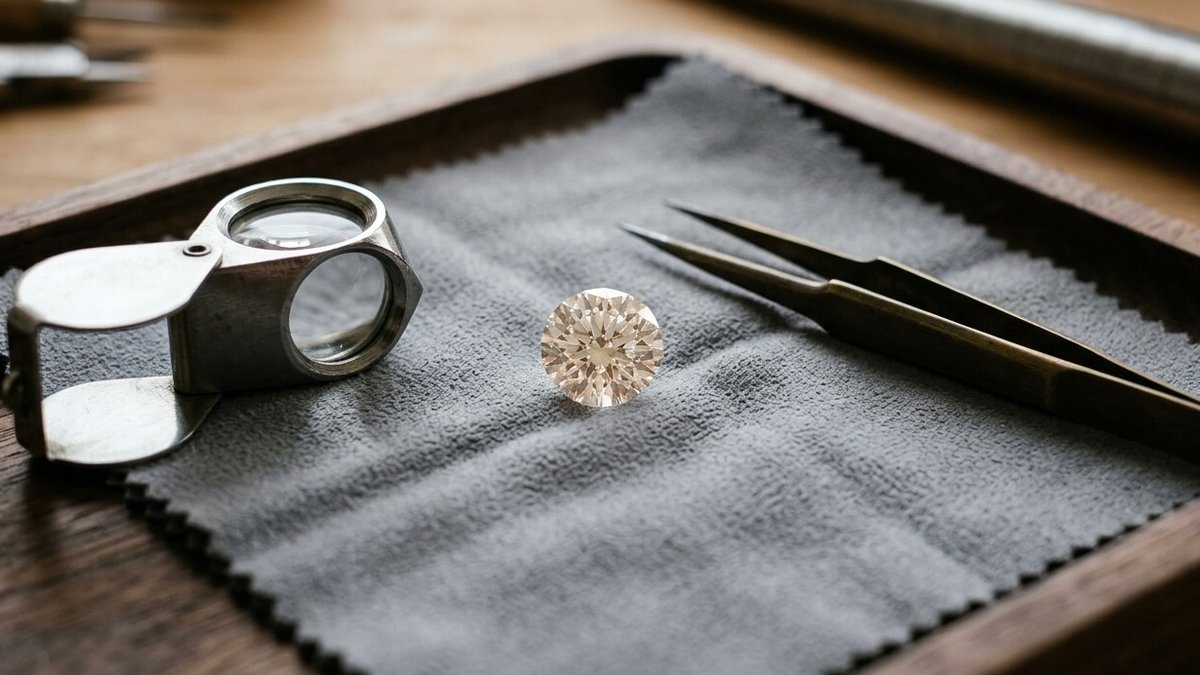
De Beers has consolidated its rough diamond sales calendar, merging the August and October sight into a single event running from September 23 to 27. The miner announced the restructuring on September 1, reducing its annual sight count to nine allocations against the traditional ten. This shift reflects a move toward supply discipline rather than a response to weak demand, as producers often thin the sight calendar when polished demand is firm.
Instead, the consolidation aims to hold supply back from a market still absorbing prior discounts. Fewer, larger sights allow a producer to meter rough into the pipeline on its own terms rather than confirming a weak price at a scheduled event. This action aligns with broader market price movements and the shifting trends of the luxury sector.
Pricing data explains the caution
Tracked natural-diamond prices have fallen 14.1% year to date. A one-carat G-H/VS1-VS2 round that carried $4,715 on January 1 was assessed at $4,049 on September 2, a decline of $666 across eight months. This benchmark stone has bled steadily rather than in a single shock. Steady declines are harder for the trade to hedge than a sharp one because there is no obvious bottom to buy against, only a line that keeps drifting lower. This steady erosion erodes the confidence of traders who rely on price floors to secure financing for inventory, making the risk assessment for buying rough significantly more complex than in markets characterized by sharp, temporary corrections.
Current fair value at street level tells the same story. A one-carat natural round in the G to I color, VS1 to SI1 clarity band carries a fair market price of $3,500 as of September 2, with most listings running between $2,990 and $4,090. That is a wide spread for a commodity grade, and a wide spread is what you see when buyers and sellers disagree on where the floor sits.
By merging two sights, De Beers is trying to narrow that disagreement in its own favor, offering less rough into a market that has not yet found its bottom on polished. This strategy attempts to prevent the market from pricing in a deeper correction by restricting the amount of material available for assessment by the trade.
Related: Phillips Leads Trade Week with 235M Sale
The lab-grown gap widens the pressure
The lab-grown comparison remains the structural weight on the natural category. The identical one-carat specification in lab-grown is priced at $670 as of September 2, roughly 81% below the natural equivalent. That discount has held wide through the year and continues to reset consumer price anchors at the entry point of the bridal market, where the one-carat round does most of its volume.
A shopper who sees an 81% gap on a stone that is optically identical to the eye is a shopper the natural category has to win on story rather than on price, and that is a harder sale in a soft consumer year. The persistent price disparity forces retailers to educate customers on the subtle distinctions in origin, a marketing effort that requires significant resources and time that are difficult to justify when margins are being compressed.
Retailers face a dual challenge
For retailers, the merged sight and the widening lab-grown spread are two sides of one problem. Rough supply is being managed tighter at the top of the pipe while polished natural prices grind lower and lab-grown reframes the value conversation at the counter. Inventory bought at last year’s cost basis is worth less on the shelf today, and the miner’s supply discipline does nothing for goods already in the case.
The same soft polished tape framed this week’s trade wrap. The difficulty for retailers is compounded by the fact that the supply reduction at the source does not immediately translate to lower costs on existing inventory, creating a cash flow strain as they carry overpriced goods into a period of reduced consumer spending.

Gold Holds $4,470 on Monthly Central Bank Buying


