


Gold Holds Near June Highs at $4,530 as China and Central Banks Keep Buying
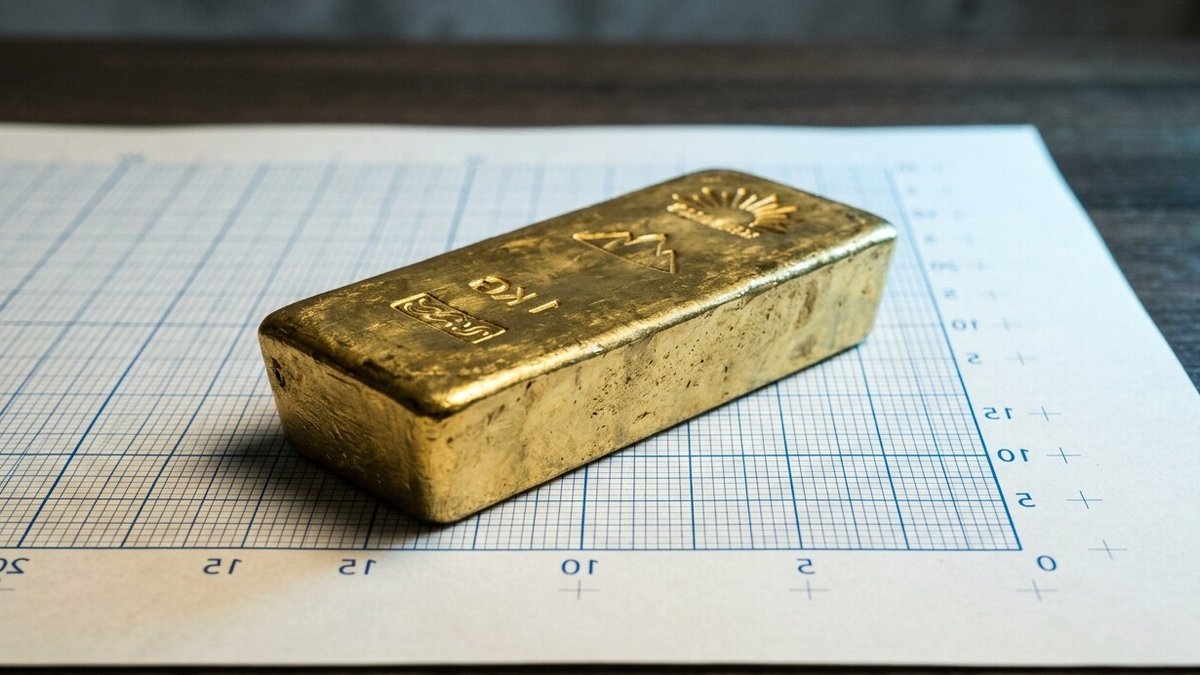
Gold prices held near June highs at $4,530 an ounce on Thursday, maintaining levels close to the session’s peak as persistent buying from China and other central banks supported the metal. The stability comes despite a slight dip on Wednesday to below $4,500, which still left traders holding onto the majority of a 4% surge from the previous session. This pattern—sharp upward moves followed by shallow corrections—signals a genuine buying interest rather than a short squeeze.
Refining Accounts Face a Firm Market
The difference between the spot price and the retail execution price is a critical metric for refiners and dealers. On Thursday morning at 4:54 AM EDT, JM Bullion was quoting gold at $4,595.91 an ounce. This figure translates to $147.76 a gram and roughly $147,761.94 per kilogram. For refining accounts, this data provides a firm melt number that stays open throughout the week, unlike days when volatility might force traders to hedge every ticket they write.
Related: Gold bars vs gold coins: which option fits your goals?
When spot prices sit this high and steady, the intrinsic conversation becomes easier for scrap and estate desks. A case dealer holding heavy gold pieces knows the worst outcome is the refiner’s number, and at $147.76 a gram, that number is not a punishment anymore. It serves as a genuine backstop, which changes how aggressively they can bid at the counter. The gap between the $4,530 spot print and the $4,595.91 retail quote is real money on a kilogram basis, a figure that refining desks prioritize before committing to a lot.
Central Bank Support Anchors the Floor
The support underneath the current price has not shifted, driven by steady investment demand and continued central bank purchases, with China noted as a primary participant. This is the same structural bid that has driven the metal through the current cycle. Because central bank buying is patient money, it does not chase rallies and it does not panic out during dips. This behavior ensures the floor remains firm, as the marginal buyer steps in during weakness instead of selling into the decline.
For the dealer and the bench, gold at this level is a tool with two edges. On one side, it props up the melt bid and lifts the intrinsic floor under heavy gold watches and estate pieces. This is a benefit when the general retail market is only steadying rather than rallying. A firm gold price coincides with positive performance in the precious-metal watch category, suggesting the metal is doing double duty by backing both the melt tray and the sales of finished goods.
Related: London’s Regal Rings: Fit for a Fairy Tale Proposal
However, a spot price of $4,530 widens the spread a retail buyer must swallow on anything new in gold. This tension is expected heading into the fall show season. While the melt floor helps case dealers holding metal, it stretches the ticket on fresh gold merchandise exactly when the customer is willing but choosy. This selective buyer behavior mirrors trends seen in other commodities, where demand is returning, but only for the most favorable valuations.
The current high valuation creates a distinct bifurcation in the jewelry industry as the season arrives. For merchants holding inventory, the rising spot price acts as a reliable backstop, reducing the risk of holding heavy gold assets. However, this same price pressure stretches the spread on new inventory, making it more expensive for retailers to acquire fresh stock. This forces buyers to become more selective, prioritizing sales over volume in an environment where every gram carries a premium.
Testing the Market in Dallas

Gold bars vs gold coins: which option fits your goals?


