


Central Banks Buy Record Gold Reserves
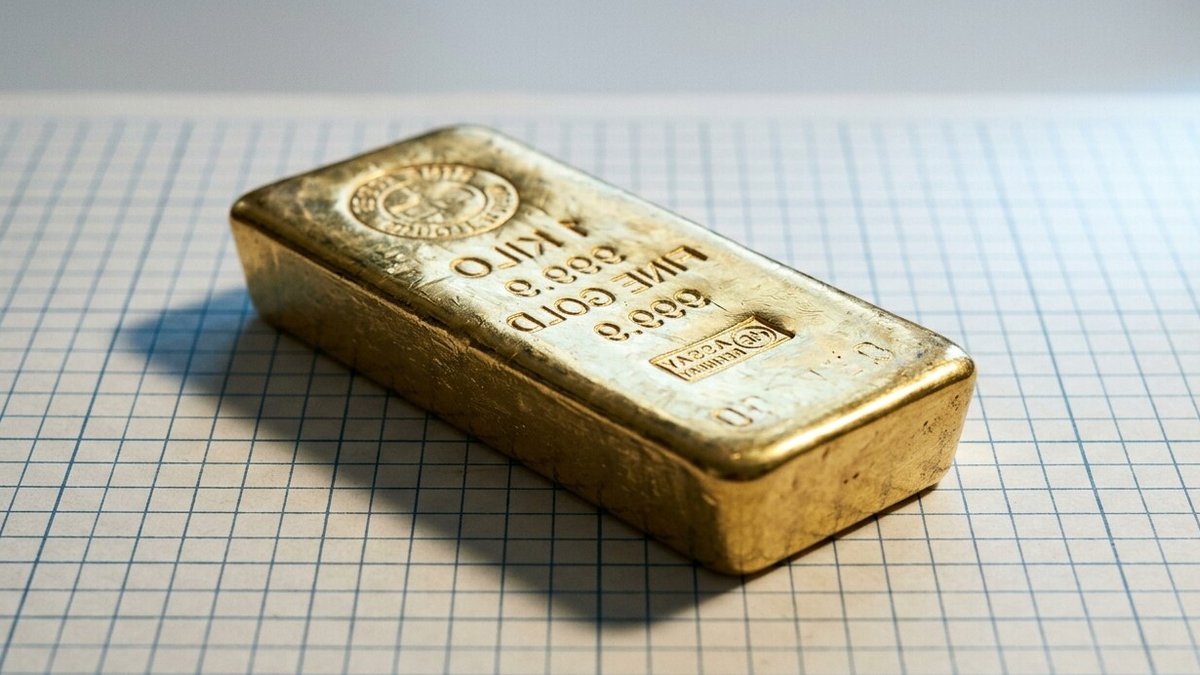
Gold prices have held steady at $4,087 as central banks added a record 289 tonnes in the second quarter, according to the World Gold Council’s Gold Demand Trends Q2 2026 report. This represents a 62 percent jump year over year and the strongest second quarter in the data series.
The metal’s price rose to $4,087.14 an ounce on August 4, up 0.79 percent from the previous day, per Trading Economics. This is above the $4,071.13 spot quoted by JM Bullion the evening before.
Central banks’ buying activity is the reason for the metal’s steady price. The 289 tonnes of gold added in the second quarter is not tactical positioning, but rather reserve policy, which does not reverse on a weekly price move.
When central banks buy metal off the market by the hundred-tonne, it sets a different kind of floor than retail or ETF flows. This behavior has been consistent over multiple quarters, making it the baseline assumption for metal desks.
The World Gold Council reports that central bank buying increased by 62 percent in the second quarter, the strongest on record. This increase is significant because it is compared to the entire series, not just a weak year.
Related: Swiss Exports Surge 11.2 Percent in June
The distinction between speculative bids and sovereign accumulation programs is important for pricing metal. A speculative bid can vanish in a single session, while a central bank buying reserves at this pace does not turn seller due to price fluctuations.
The 289-tonne figure indicates that the marginal buyer of gold is the least price-sensitive one, which is the most important fact in the metal. This means that a dip in the price becomes a level where official demand is waiting, rather than the first step of a slide toward lower prices.
For bullion desks, this means treating weakness as an accumulation window rather than hedging hard into it. The official bid has practical consequences for the refining and scrap side of the business.
Metal that goes into a central-bank vault does not come back to the market, tightening available supply and helping the price absorb volatility. This is why desks are more comfortable holding inventory than they were a quarter ago.
The steadiness of gold prices also matches the rest of the trade, including the diamond index turning positive and the watch auction season closing at a record. Across metals, stones, and watches, the common thread is a market that has stopped falling and found a bid.
Related: Gold bars vs gold coins: which option fits your goals?
Retailers stocking for the fall shows read a firm metal price as one less reason to hold back. The third-quarter central-bank pace will be closely watched to see if it holds near the 289-tonne mark or cools into a seasonally slower stretch.
The price at $4,087 is the easy part to read, but the 62 percent year-over-year jump in sovereign demand tells you where the floor actually sits.
The next World Gold Council report will show whether this pace held, and it is the one to watch closely. One thing is clear: the official sector’s buying activity has changed the gold market, and its continued purchasing will be important in determining the metal’s price in the coming quarters.
For now, the $4,000 floor seems secure, and that’s a fact that’s likely to influence the decisions of retailers, refiners, and investors alike.

Swiss Exports Surge 11.2 Percent in June


