
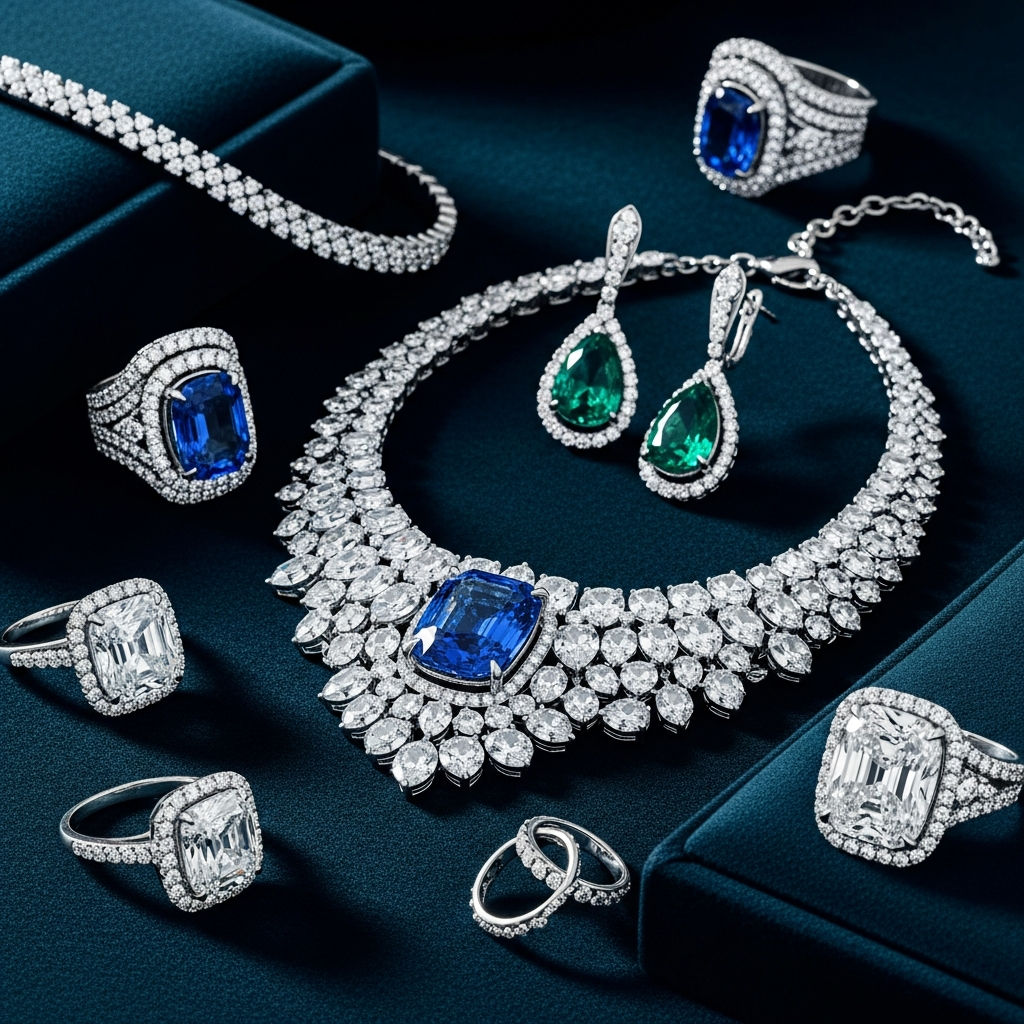
The Ultimate Guide to Jewelry: History, Trends, and Tips for Choosing the Perfect Piece
Jewelry has been an integral part of human civilization for tens of thousands of years. From ancient shells strung on twine to the intricate diamond-encrusted masterpieces of the modern era, jewelry serves as more than just decoration. It is a form of self-expression, a symbol of status, a repository of memories, and often, a significant financial investment. Whether you are looking for an engagement ring, a birthday gift, or a treat for yourself, understanding the nuances of jewelry is essential.
In this comprehensive guide, we will explore the rich history of adornment, the different types of precious metals and gemstones, current market trends, and practical tips for maintaining your collection.
The Cultural Significance and History of Jewelry
The story of jewelry is as old as humanity itself. The earliest known pieces of jewelry were made from natural materials like bone, teeth, shells, and stones. As civilizations evolved, so did the complexity and meaning behind these ornaments.
- Ancient Egypt: For the Egyptians, jewelry was deeply spiritual. They pioneered the use of gold and lapis lazuli, creating elaborate collars and rings intended to protect the wearer in both life and the afterlife.
- The Renaissance: This era saw jewelry become a true art form. Pendants became popular, often featuring intricate enamel work and large, colorful gemstones that reflected the wealth and prestige of the European nobility.
- The Victorian Era: Queen Victoria heavily influenced jewelry trends. Following the death of Prince Albert, “mourning jewelry” made of jet (fossilized coal) became a widespread fashion statement.
Today, jewelry continues to carry deep personal meaning. It marks milestones such as graduations, weddings, and anniversaries, acting as a tangible link to our most cherished moments.
Understanding Precious Metals: The Foundation of Jewelry
The “setting” or the metal used in a piece of jewelry determines its durability, price, and overall aesthetic. There are three primary precious metals used in high-end jewelry today:
1. Gold
Gold remains the most popular choice for jewelry. It is measured in karats (k), which indicate the purity of the metal. 24k gold is 100% pure but is often too soft for everyday wear. Therefore, it is usually alloyed with other metals:
- Yellow Gold: A classic mix of pure gold, silver, and copper.
- White Gold: Pure gold mixed with white metals like palladium or nickel, often plated with rhodium for a bright finish.
- Rose Gold: A trendy alloy of gold and a higher percentage of copper, giving it a romantic pinkish hue.
2. Platinum
Platinum is rarer and denser than gold. It is naturally white and does not require plating. Because of its strength, it is the preferred choice for securing expensive gemstones like diamonds. It is also hypoallergenic, making it ideal for those with sensitive skin.
3. Sterling Silver
Sterling silver is an affordable and beautiful option. It consists of 92.5% pure silver and 7.5% other metals (usually copper). While it can tarnish over time, regular polishing keeps it looking brand new.
The World of Gemstones: Brilliance and Color
Gemstones are the “stars” of the jewelry world. They are generally categorized into precious and semi-precious stones, though these terms are more traditional than scientific.
The “Big Four” Precious Stones
- Diamonds: Known for their unmatched hardness and brilliance. When buying diamonds, the “4Cs” (Cut, Color, Clarity, and Carat weight) are the standard for determining quality.
- Sapphires: While famous for their deep blue color, sapphires actually come in every color of the rainbow except red.
- Rubies: A variety of the mineral corundum, rubies are prized for their vibrant red hues and symbolize passion and courage.
- Emeralds: Known for their lush green color, emeralds often contain “jardin” (internal inclusions) that make each stone unique.
The Rise of Lab-Grown Diamonds
In recent years, lab-grown diamonds have surged in popularity. These are chemically, physically, and optically identical to mined diamonds but are created in a controlled environment. They offer a more sustainable and budget-friendly alternative without sacrificing the sparkle of a natural stone.
Essential Types of Jewelry for Every Collection
Building a jewelry capsule wardrobe allows you to stay stylish regardless of the occasion. Here are the essential pieces every enthusiast should consider:
1. Necklaces
From delicate chains to bold statement pieces, necklaces frame the face. Popular styles include the “pendant” (a single stone or charm), the “choker” (sitting high on the neck), and the “opera length” (long and elegant).
2. Earrings
Earrings are perhaps the most versatile accessory. Studs are perfect for daily wear, while hoops and chandelier earrings add drama to evening attire. Currently, “ear stacks”—wearing multiple piercings at once—is a major fashion trend.
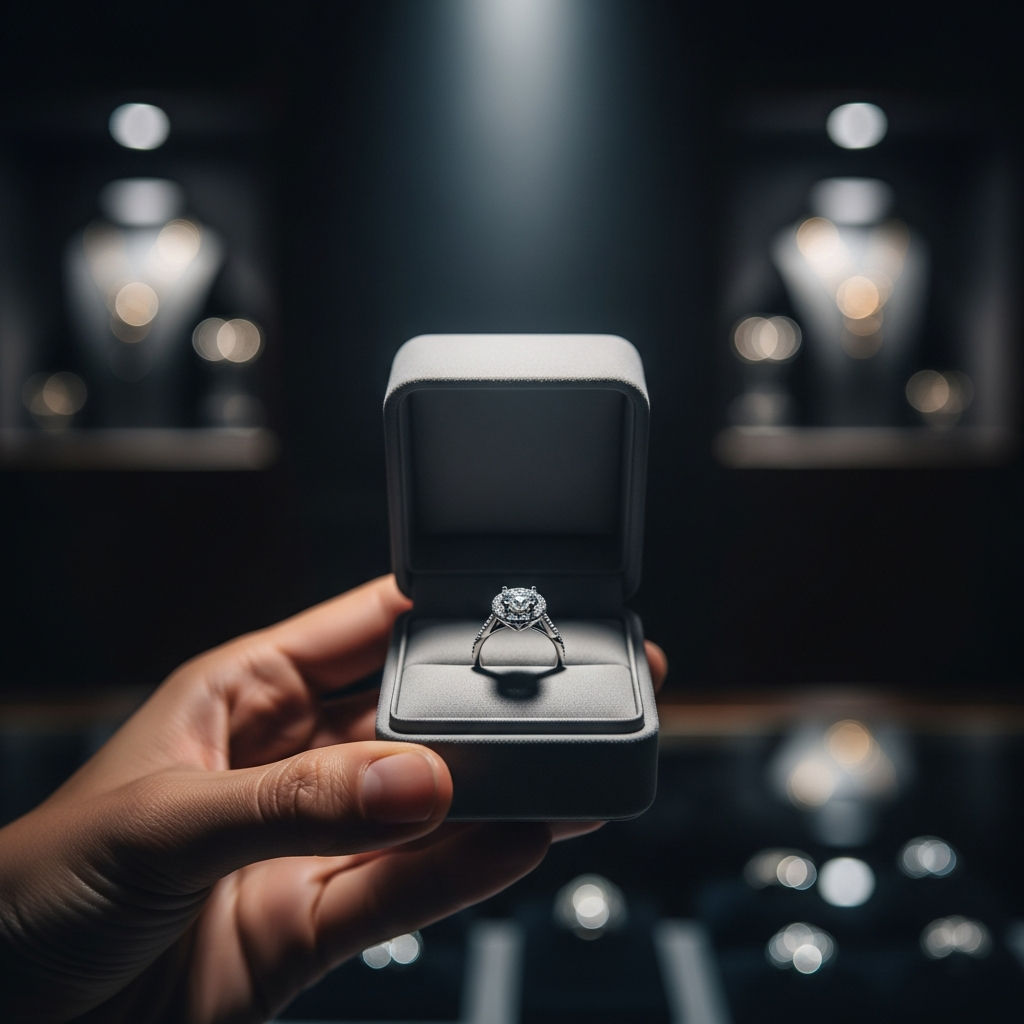
3. Rings
Beyond engagement and wedding bands, rings are used for fashion and expression. Signet rings, stackable bands, and cocktail rings allow for endless customization and layering.
4. Bracelets
Whether it’s a classic tennis bracelet featuring a row of diamonds or a sturdy gold bangle, bracelets add a touch of sophistication to the wrist. Charm bracelets remain a favorite for those who want to “collect” memories over time.
Modern Jewelry Trends to Watch
The jewelry industry is constantly evolving, blending traditional craftsmanship with modern sensibilities. Some of the hottest trends right now include:
- Minimalism: “Less is more.” Thin gold bands and tiny “dainty” necklaces are perfect for a clean, sophisticated look.
- Gender-Neutral Jewelry: More brands are moving away from gendered collections, offering chunky chains and pearls designed for everyone.
- Sustainability and Ethics: Consumers are increasingly demanding transparency. Ethical sourcing, recycled gold, and conflict-free stones are now top priorities for modern buyers.
- Personalization: Initial pendants, zodiac signs, and birthstone jewelry allow wearers to tell their unique stories.
How to Buy Jewelry: A Smart Shopper’s Guide
Buying jewelry can be intimidating, especially with high price tags involved. Follow these steps to ensure you make a wise purchase:
Set a Budget
Before stepping into a store or browsing online, determine what you are comfortable spending. Remember that quality often trumps quantity; a high-quality gold piece will last longer than several gold-plated fashion pieces.
Research the Seller
Always buy from reputable jewelers. Check for certifications, especially for diamonds (GIA or IGI certifications are the gold standard). Read customer reviews and ask about return policies and warranties.
Consider Lifestyle
If you lead an active lifestyle or work with your hands, opt for harder stones (like diamonds or sapphires) and sturdier settings (like bezel or 6-prong settings). Soft stones like opals or pearls require more delicate handling.
Jewelry Care and Maintenance
To ensure your jewelry lasts for generations, proper care is vital. Even the hardest diamonds can be chipped, and metals can lose their luster if neglected.
- Cleaning: For most gold and diamond jewelry, a simple solution of warm water and mild dish soap works wonders. Use a soft toothbrush to gently scrub away dirt. Avoid harsh chemicals like bleach.
- Storage: Store pieces separately in a fabric-lined jewelry box. This prevents harder stones from scratching softer metals or gems.
- Professional Check-ups: Take your fine jewelry to a professional once a year. They can check for loose prongs and provide a professional-grade cleaning and polishing.
- The “Last On, First Off” Rule: Jewelry should be the last thing you put on in the morning (after perfume and hairspray) and the first thing you take off at night to avoid chemical buildup and snagging.
Conclusion: The Timeless Appeal of Jewelry
Jewelry is one of the few items we own that can truly be called “timeless.” It transcends fashion fads, carries our most precious emotions, and often increases in value over time. Whether you prefer the understated elegance of a silver necklace or the breathtaking fire of a natural diamond, jewelry is an investment in your personal style and heritage.
By understanding the materials, keeping an eye on trends, and practicing proper care, you can build a jewelry collection that brings joy and beauty to your life for years to come.