
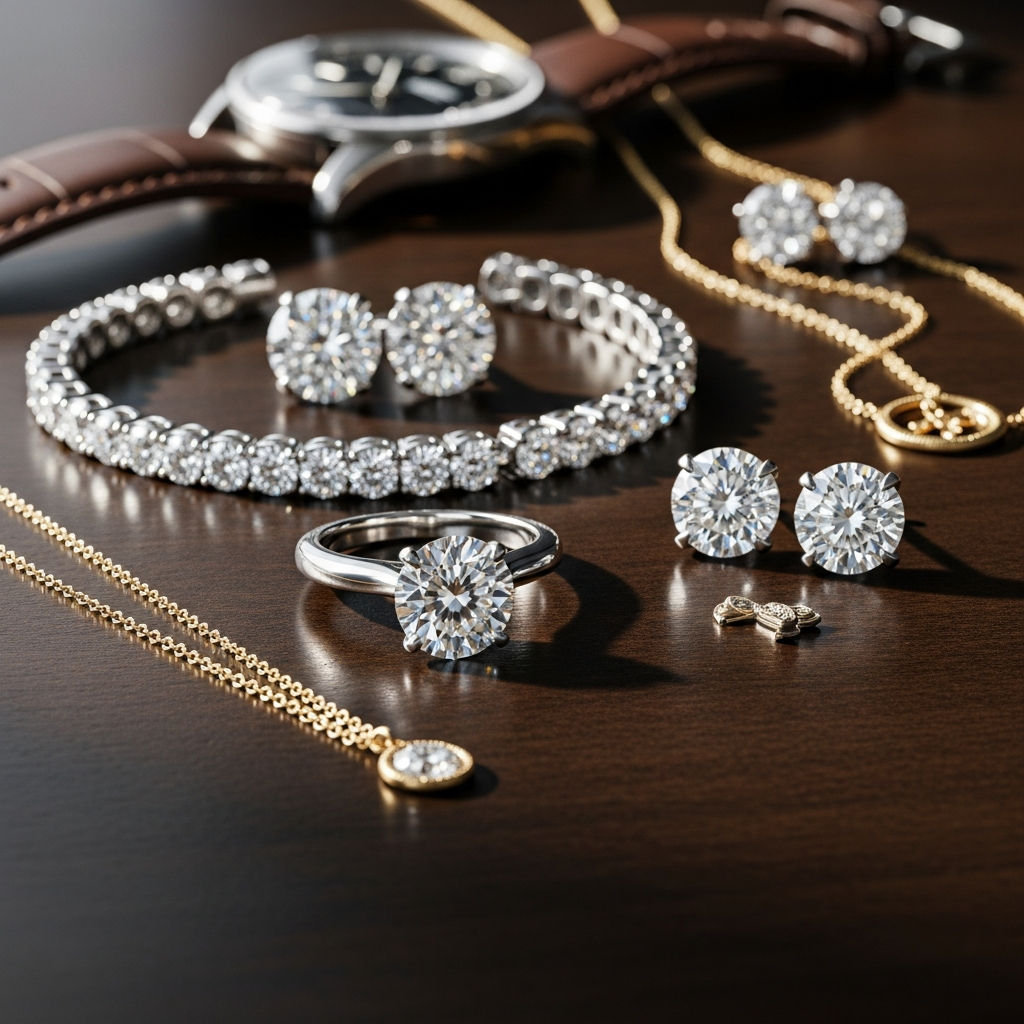
The Ultimate Guide to Jewelry: Styles, Materials, and Timeless Trends
Jewelry has been an integral part of human culture for millennia. From ancient civilizations using shells and stones to modern artisans crafting intricate masterpieces with lab-grown diamonds, jewelry serves as a powerful form of self-expression, a symbol of status, and a vessel for sentimental value. Whether you are looking for an engagement ring, a graduation gift, or a statement piece to elevate your daily wardrobe, understanding the nuances of the jewelry world is essential.
In this comprehensive guide, we will explore the different types of jewelry, the materials that define quality, current market trends, and how to care for your precious collections to ensure they last for generations.
The Evolution and Significance of Jewelry
The history of jewelry is as old as humanity itself. Historically, jewelry was used not just for decoration but for protection (amulets), social ranking, and even currency. In Ancient Egypt, gold was considered the “flesh of the gods,” while in the Renaissance, jewelry became a sophisticated art form reflecting the wealth and intellect of the wearer.
Today, jewelry transcends these traditional boundaries. It is used to mark milestones—birthdays, anniversaries, and weddings—and acts as a wearable investment. The modern consumer looks for a blend of aesthetic beauty, ethical sourcing, and durability.
Popular Types of Jewelry and Their Appeal
When building a jewelry collection, it is helpful to categorize pieces by their function and style. Here are the primary categories that dominate the industry:
1. Rings
Rings are perhaps the most symbolic form of jewelry. While engagement rings and wedding bands are the most common, fashion rings like “stackable” bands and “statement” cocktail rings have gained immense popularity. Rings are often used to signify commitment, memory, or personal style.
2. Necklaces and Pendants
A necklace serves as a focal point for any outfit. From delicate chains with minimalist pendants to bold, chunky chokers, the variety is endless. Common styles include:
- Chokers: Sitting high on the neck, these are perfect for V-neck tops.
- Lariats: Long, rope-like necklaces that offer a sophisticated, modern look.
- Statement Necklaces: Large, colorful pieces designed to be the centerpiece of an ensemble.
3. Earrings
Earrings are essential for framing the face. They range from the classic simplicity of diamond studs to the dramatic flair of shoulder-grazing drop earrings. Hoop earrings remain a perennial favorite due to their versatility across different cultures and fashion eras.
4. Bracelets and Bangles
Wristwear adds a touch of elegance to movement. Tennis bracelets, featuring a symmetrical line of diamonds, are considered a “must-have” luxury item, while charm bracelets allow for a personalized narrative where each charm represents a life event.
Understanding Materials: Precious Metals and Gemstones
The value and longevity of jewelry depend heavily on the materials used. Knowing the difference between various metals and stones can help you make an informed purchasing decision.
Precious Metals
- Gold: Measured in karats (K), 24K is pure gold but often too soft for jewelry. 14K and 18K are the industry standards, offering a balance of purity and durability. Gold comes in three main hues: Yellow, White, and Rose.
- Sterling Silver: An alloy containing 92.5% silver. It is affordable and beautiful but requires regular polishing to prevent tarnish.
- Platinum: A dense, rare, and naturally white metal. It is hypoallergenic and incredibly durable, making it the premier choice for engagement rings.
Gemstones: Natural vs. Lab-Grown
The debate between natural and lab-grown gemstones is a hot topic in the modern jewelry market. Natural gemstones are mined from the earth and are valued for their rarity and “story.” Lab-grown gemstones, including diamonds, are chemically and physically identical to their natural counterparts but are created in a controlled environment. They are often more affordable and appeal to eco-conscious consumers.
Popular gemstones include the “Big Four”: Diamonds, Rubies, Sapphires, and Emeralds. Each carries its own symbolic meaning and hardness rating on the Mohs scale, which determines how suitable they are for daily wear.
Current Jewelry Trends to Watch
The jewelry industry is constantly evolving, influenced by high fashion, celebrity culture, and social movements. Currently, several key trends are shaping the market:
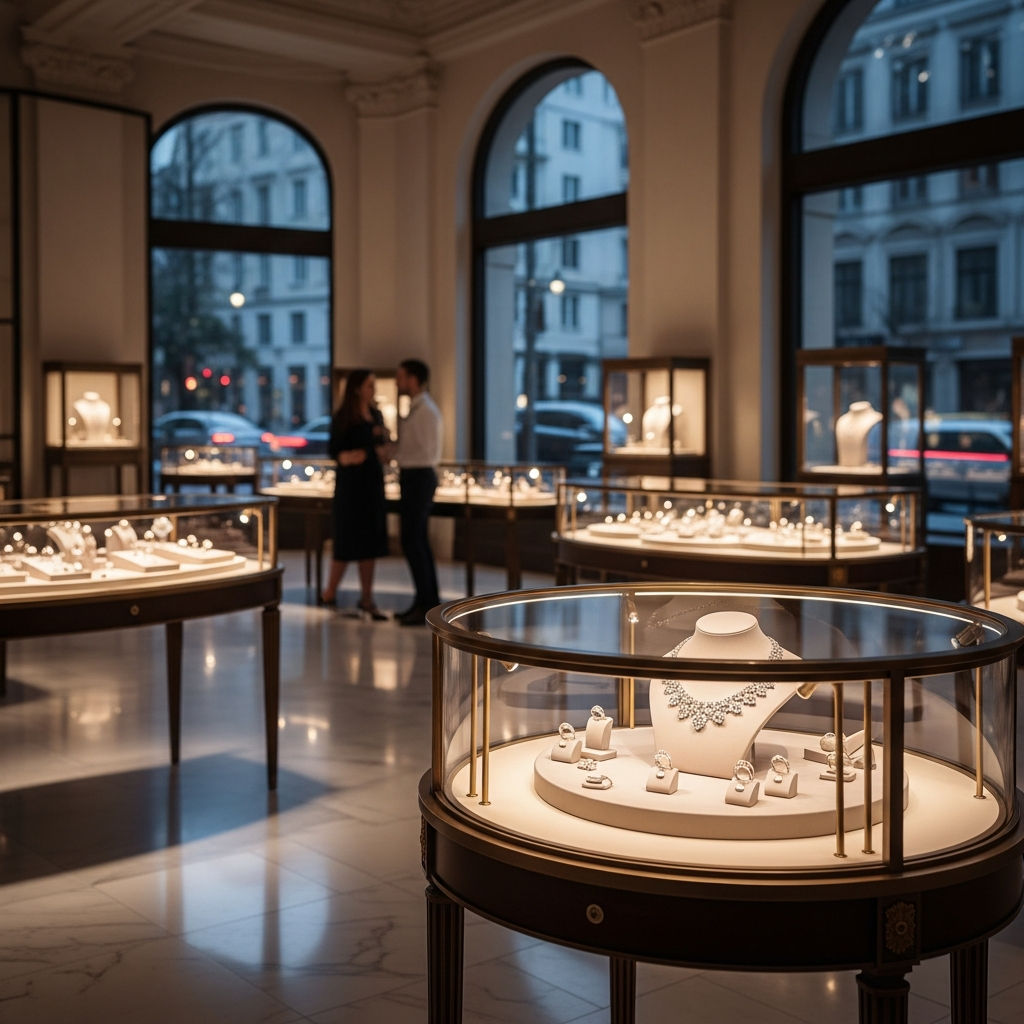
Sustainable and Ethical Jewelry
Modern buyers are increasingly concerned with the “chain of custody” of their jewelry. Ethical sourcing, “conflict-free” diamonds, and the use of recycled gold are no longer optional features but requirements for many brands. Transparency in the supply chain has become a mark of luxury.
Minimalism and Layering
The “less is more” aesthetic continues to thrive. Dainty gold chains layered at different lengths and multiple small hoop earrings (the “curated ear”) allow individuals to create a look that is both subtle and complex.
Personalization and Customization
Initial necklaces, birthstone rings, and custom engravings are in high demand. In an age of mass production, consumers crave pieces that feel unique to their personal identity or family history.
Gender-Neutral Jewelry
The lines between “men’s” and “women’s” jewelry are blurring. Pearl necklaces for men and bold, architectural metalwork designed for all genders are becoming mainstream, reflecting broader societal shifts toward inclusivity.
How to Choose the Right Jewelry for Your Style
Selecting the right piece of jewelry involves more than just picking what looks pretty in the display case. Consider the following factors:
1. Match Your Skin Tone
Generally, “cool” skin tones (veins appear blue) look best in silver, platinum, and white gold. “Warm” skin tones (veins appear green) are complemented by yellow gold and copper tones. Neutral skin tones can often pull off any metal.
2. Consider the Occasion
For professional settings, stick to “quiet” pieces like studs or a simple watch. For evening events, don’t be afraid to experiment with larger stones and shimmering metals that catch the light.
3. Face Shape and Proportions
Longer earrings can help elongate a round face, while studs or short hoops can complement a heart-shaped or long face. Similarly, the length of a necklace should work with your neckline to enhance your silhouette.
Essential Jewelry Care and Maintenance Tips
To ensure your jewelry maintains its luster and value, proper care is non-negotiable. Even the hardest diamonds can be chipped, and the strongest metals can be scratched.
- Proper Storage: Store pieces separately in soft pouches or a lined jewelry box to prevent scratching. This is especially important for pearls, which are very soft.
- Avoid Chemicals: Take off your jewelry before swimming in chlorinated pools or using household cleaning products. Perfumes and lotions should be applied and allowed to dry *before* putting on your jewelry.
- Regular Cleaning: For most gold and diamond jewelry, a gentle soak in warm water with a drop of mild dish soap and a soft-bristle toothbrush is sufficient. However, porous stones like opals or pearls require professional cleaning.
- Professional Inspections: Have your fine jewelry checked by a professional jeweler once a year. They can check for loose prongs or thinning bands to prevent the loss of gemstones.
Conclusion: The Lasting Value of Jewelry
Jewelry is one of the few items we purchase that can truly be considered “timeless.” It survives through decades, often becoming a cherished heirloom passed from parent to child. Whether you are investing in a high-end diamond piece or building a fun collection of gold-plated fashion accessories, the key is to choose pieces that resonate with your personal story.
By understanding materials, staying informed about ethical practices, and following basic maintenance routines, you can ensure that your jewelry remains as radiant as the day you first wore it. In the world of fashion, trends may come and go, but the sparkle of a well-chosen piece of jewelry is forever.