
The Ultimate Guide to Jewelry: Styles, Trends, and Sustainable Choices
Jewelry has been an integral part of human civilization for millennia. From ancient amulets crafted from bone and shell to the intricate diamond-encrusted masterpieces of the modern era, jewelry serves as a powerful medium for self-expression, status, and sentiment. Whether you are looking to invest in a timeless heirloom or simply want to elevate your daily wardrobe with fashion-forward pieces, understanding the nuances of the jewelry world is essential. In this comprehensive guide, we explore everything from the differences between fine and fashion jewelry to the rising importance of ethical sourcing.
Fine Jewelry vs. Fashion Jewelry: Understanding the Difference
When shopping for jewelry, the first distinction you will encounter is the categorization between “fine” and “fashion” (or costume) jewelry. Knowing the difference is crucial for determining the value, longevity, and care requirements of your pieces.
Fine Jewelry
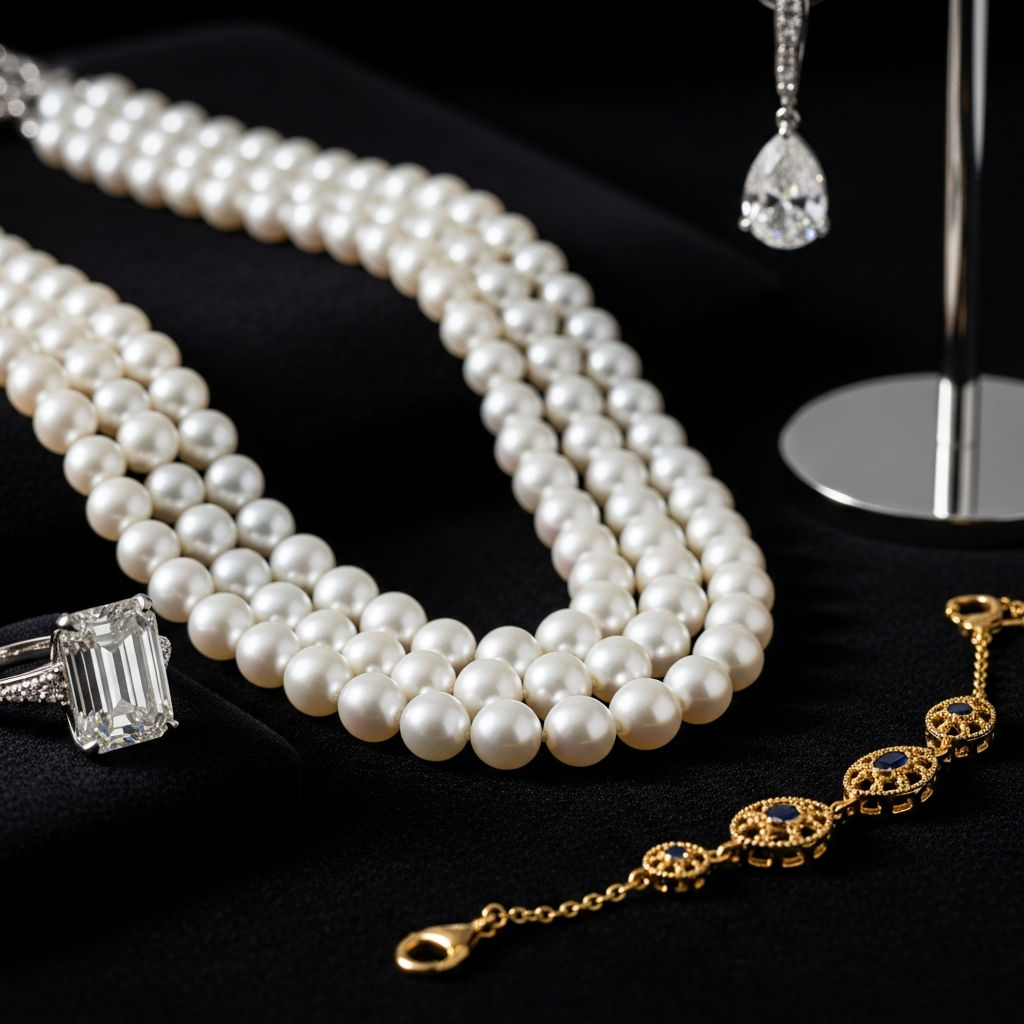
Fine jewelry is crafted from precious metals, including gold, platinum, and sterling silver. It typically features genuine gemstones such as diamonds, rubies, emeralds, and sapphires. Because these materials are rare and durable, fine jewelry is often considered an investment. These pieces can be repaired, resized, and polished to last for generations, making them the primary choice for engagement rings and milestone gifts.
Fashion Jewelry
Fashion jewelry, also known as costume jewelry, is designed for trend-conscious consumers. It is typically made from base metals like brass, copper, or aluminum, often plated with a thin layer of gold or silver. Instead of precious stones, fashion jewelry uses crystals, plastic, or synthetic cubic zirconia. While more affordable, fashion jewelry has a shorter lifespan as the plating can wear off over time, and the base metals may cause skin irritation for some wearers.
Choosing Your Metal: Gold, Silver, and Platinum
The metal you choose serves as the foundation of your jewelry piece. Each metal offers a distinct aesthetic and set of physical properties.
- Gold: Gold is the most popular choice for fine jewelry. It is measured in karats (K), which indicate the purity of the metal. 24K gold is pure gold but is often too soft for jewelry. Most high-end pieces are made from 18K or 14K gold, which are alloyed with other metals for strength. Gold comes in three primary colors: Yellow, White, and Rose.
- Sterling Silver: Known for its bright, white sheen, sterling silver consists of 92.5% pure silver and 7.5% other metals (usually copper). It is a favorite for minimalist designs and everyday wear, though it does require regular cleaning to prevent tarnish.
- Platinum: Platinum is a dense, heavy, and naturally white metal. It is highly durable and hypoallergenic, making it the gold standard for wedding and engagement bands. Unlike white gold, platinum does not require replating to maintain its color.
The Allure of Gemstones: Beyond the Diamond
While diamonds remain the “queen” of gemstones, modern jewelry lovers are increasingly turning toward colored stones and diamond alternatives to express their individuality.
Precious and Semi-Precious Stones
Traditionally, diamonds, rubies, sapphires, and emeralds were labeled “precious,” while all other stones were “semi-precious.” Today, this distinction is fading as high-quality semi-precious stones like Tanzanite, Morganite, and Alexandrite can be just as rare and valuable. Gemstones are valued based on the “Four Cs”: Color, Clarity, Cut, and Carat weight.
Lab-Grown Diamonds and Moissanite
The jewelry industry has seen a massive shift toward lab-grown diamonds. These are chemically, physically, and optically identical to mined diamonds but are created in a controlled laboratory environment. Similarly, Moissanite has gained popularity as a diamond alternative due to its incredible brilliance and lower price point. Both options appeal to eco-conscious consumers looking for high-quality sparkle without the environmental impact of traditional mining.
Jewelry Trends for 2024: What’s Hot Right Now
Jewelry trends often reflect the broader cultural landscape. In 2024, we are seeing a blend of nostalgia and bold experimentation.
- Personalized Jewelry: From initial pendants to birthstone rings, personalized jewelry remains a top trend. Consumers want pieces that tell their unique story.
- Layering and Stacking: The “more is more” philosophy is currently dominating the fashion scene. Layering multiple delicate necklaces of varying lengths and stacking rings across several fingers allows for a highly customized look.
- Oversized Statement Pieces: Chunky gold chains, large “door-knocker” earrings, and bold cuffs are making a comeback, drawing inspiration from 1980s and 90s aesthetics.
- Mixed Metals: The old rule of never mixing silver and gold is officially gone. Combining different metal tones adds depth and a modern edge to any outfit.
Sustainable Jewelry: The Rise of Ethical Sourcing
As consumers become more aware of the environmental and social impact of their purchases, the demand for sustainable jewelry has skyrocketed. Ethical jewelry focuses on two main areas: responsible sourcing of materials and fair labor practices.
Sustainable brands often use recycled gold and silver, which reduces the need for new mining activities that can devastate local ecosystems. Furthermore, “conflict-free” sourcing ensures that gemstones are not used to finance armed conflict and that miners are paid fair wages in safe working conditions. When shopping for jewelry, look for certifications from organizations like the Responsible Jewellery Council (RJC) or Fairtrade Gold to ensure your purchase aligns with your values.
How to Care for Your Jewelry Collection
Proper maintenance is the key to ensuring your jewelry stays beautiful for years to come. Different materials require different cleaning methods.
Daily Care Tips
Always remove your jewelry before swimming in chlorinated pools or using household cleaning chemicals, as these can damage metals and dull gemstones. It is also best to apply perfumes, lotions, and hairsprays before putting on your jewelry to prevent residue buildup.
Cleaning and Storage
- Gold and Diamonds: A simple solution of warm water and mild dish soap, followed by a gentle scrub with a soft toothbrush, is usually enough to restore shine.
- Pearls and Soft Stones: Opals and pearls are porous and delicate. Wipe them with a damp, soft cloth only; never soak them or use ultrasonic cleaners.
- Storage: Store your pieces separately in soft pouches or a lined jewelry box to prevent them from scratching each other. Tangled necklaces are not only frustrating but can lead to weakened links and breakage.
Conclusion: Finding Your Perfect Piece
Jewelry is one of the most personal purchases you can make. Whether you are buying a gift for a loved one or treating yourself to a new accessory, the right piece of jewelry can boost your confidence and serve as a lasting memory. By understanding the materials, staying informed about current trends, and prioritizing ethical choices, you can build a jewelry collection that is both beautiful and meaningful. Remember, the best jewelry isn’t necessarily the most expensive—it’s the piece that makes you feel most like yourself.