
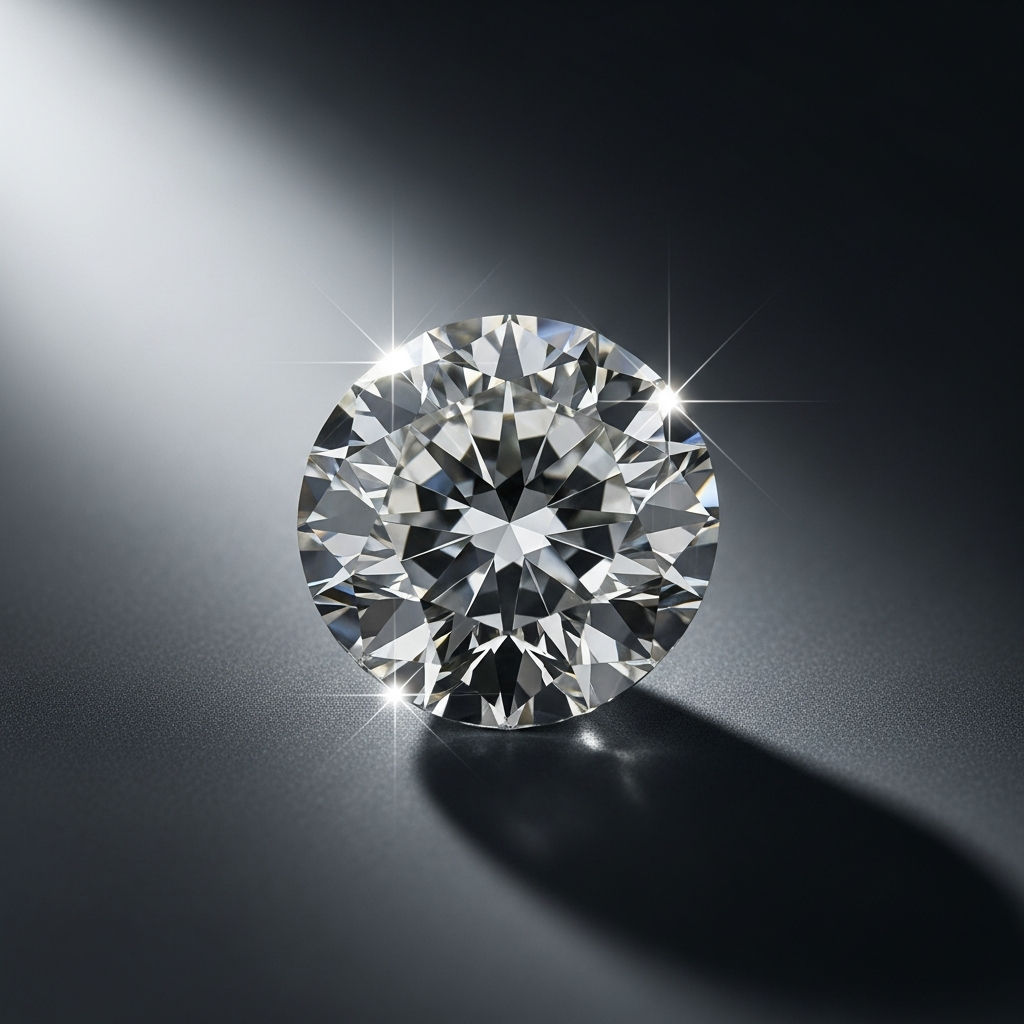
The Ultimate Guide to Diamonds: Science, History, and the 4Cs
Diamonds have captivated human imagination for millennia. Often described as “tears of the gods” or “splinters of stars,” these stones are much more than just beautiful accessories. They are geological miracles formed under extreme conditions, representing the pinnacle of hardness, brilliance, and enduring value. Whether you are looking for an engagement ring, an investment piece, or simply interested in the science of gemstones, understanding the world of diamonds is essential.
In this comprehensive guide, we explore everything from the deep-earth formation of natural diamonds to the modern rise of lab-grown alternatives and the critical “4Cs” that determine a stone’s worth.
The Science of Diamonds: How Nature Creates Brilliance
A diamond is the only gemstone made of a single element: carbon. Under immense pressure and temperatures exceeding 2,000 degrees Fahrenheit, carbon atoms bond in a unique “diamond cubic” crystal structure. This specific arrangement is what makes a diamond the hardest naturally occurring substance on Earth, scoring a perfect 10 on the Mohs scale of mineral hardness.
Geological Formation
Natural diamonds are formed deep within the Earth’s mantle, approximately 90 to 150 miles below the surface. They are brought to the surface through rare volcanic eruptions known as kimberlite pipes. Most natural diamonds found today are between 1 billion and 3.5 billion years old—nearly as old as the planet itself.
Physical Properties
- Hardness: Highly resistant to scratching, making them ideal for daily wear.
- Refractive Index: Diamonds have a high refractive index, which contributes to their “fire” or the ability to split light into spectral colors.
- Thermal Conductivity: Diamonds conduct heat better than almost any other material, a property used by jewelers to test for authenticity.
The 4Cs: Determining Quality and Value
To the untrained eye, two diamonds might look identical, yet their prices can differ by thousands of dollars. In the 1940s, the Gemological Institute of America (GIA) established the “4Cs” to create a universal language for diamond quality. These are the primary factors that determine a diamond’s market value.
1. Cut
Often considered the most important of the 4Cs, the cut refers to how well a diamond’s facets interact with light. It is not about the shape (round, pear, oval) but the craftsmanship of the proportions, symmetry, and polish. A well-cut diamond reflects light internally from one facet to another and disperses it through the top, creating maximum sparkle. Grades range from Excellent to Poor.
2. Color
In white diamonds, “color” actually refers to the absence of color. The GIA scale runs from D (completely colorless) to Z (light yellow or brown).
- D-F: Colorless (highest value).
- G-J: Near colorless (excellent value, appears white to the naked eye).
- K-Z: Noticeable tint.
Distinct from these are “Fancy Color” diamonds, which are naturally saturated colors like blue, pink, or canary yellow. These are graded on a different scale and can be even more expensive than colorless stones.
3. Clarity
Clarity measures the purity of the diamond. Because they are formed under intense pressure, most diamonds have internal “inclusions” or external “blemishes.”
- FL/IF: Flawless or Internally Flawless.
- VVS1-VVS2: Very, Very Slightly Included (difficult for professionals to see under 10x magnification).
- VS1-VS2: Very Slightly Included.
- SI1-SI2: Slightly Included (inclusions may be visible to the naked eye).
- I1-I3: Included (obvious inclusions that affect transparency).
4. Carat Weight
Carat refers to the diamond’s weight, not its physical size. One carat is equal to 200 milligrams. While weight affects price significantly, it must be balanced with cut; a heavy diamond with a poor cut may look smaller and duller than a lighter diamond with an excellent cut.
Natural Diamonds vs. Lab-Grown Diamonds
One of the biggest shifts in the jewelry industry over the last decade is the rise of lab-grown diamonds. It is a common misconception that lab diamonds are “fake.” In reality, they are chemically, physically, and optically identical to mined diamonds.
How Lab Diamonds are Made
There are two primary methods for creating diamonds in a laboratory:
- HPHT (High Pressure High Temperature): Mimics the natural conditions of the Earth’s mantle.
- CVD (Chemical Vapor Deposition): Uses a carbon-rich gas in a vacuum chamber to “grow” the diamond layer by layer on a seed crystal.
The Comparison
The choice between natural and lab-grown usually comes down to three factors:
- Cost: Lab-grown diamonds are typically 60% to 80% less expensive than natural ones.
- Ethics and Sustainability: Lab diamonds eliminate the concerns of “conflict diamonds” and have a lower environmental impact regarding land displacement.
- Resale Value: Natural diamonds tend to hold their value over time, whereas lab-grown diamonds have little to no resale market due to their mass-production potential.
Beyond Jewelry: Industrial Applications
While we most commonly associate diamonds with luxury, roughly 80% of mined diamonds are unsuitable for jewelry. These “industrial grade” diamonds are vital to modern technology and manufacturing. Because of their extreme hardness, they are used for:
- Cutting and Drilling: Diamond-tipped drill bits are used in oil mining and construction.
- Abrasives: Diamond dust is used to polish other gemstones and high-precision tools.
- Medicine: Scalpels tipped with diamond allow for incredibly precise incisions in eye surgery and neurosurgery.
- Electronics: Due to their thermal conductivity, diamonds are being researched as heat sinks for high-power microchips.
The History and Symbolism of Diamonds
The word “diamond” comes from the Greek word adamas, meaning “unconquerable.” Historically, the first diamonds were recognized and mined in India over 3,000 years ago. They were used as religious icons and as tools for engraving.
The tradition of the diamond engagement ring is more recent. While Archduke Maximilian of Austria was the first to propose with a diamond ring in 1477, the practice didn’t become a global standard until the 1940s. This was largely due to the highly successful “A Diamond is Forever” marketing campaign by De Beers, which linked the stone’s physical durability with the emotional concept of eternal love.
Tips for Buying a Diamond
Purchasing a diamond is a significant investment. To ensure you get the best value, keep these tips in mind:
1. Insist on Certification
Never buy a significant diamond without a grading report from a reputable lab like the GIA or IGI. This certificate acts as the “DNA” of the stone, verifying its 4Cs and origin.
2. Prioritize Cut over Carat
A smaller diamond that sparkles intensely will always look better than a large diamond that looks “dead” or milky. Investing in an “Excellent” or “Ideal” cut is the best way to maximize your budget.
3. Consider the Setting
The metal color of your ring can hide or highlight a diamond’s tint. For example, if you choose a yellow gold setting, you can often drop to a J or K color grade because the warmth of the metal masks the faint yellow in the stone, saving you money.
4. Eye-Clean Clarity
You don’t need a Flawless diamond for it to look perfect. Many “VS2” or “SI1” diamonds are “eye-clean,” meaning the inclusions cannot be seen without a microscope. Choosing an eye-clean stone allows you to allocate more of your budget toward size or cut.
Conclusion
Whether formed over billions of years in the Earth’s crust or grown in a high-tech lab, diamonds remain the world’s most iconic gemstone. Their unique combination of scientific wonder, historical depth, and unparalleled beauty ensures they will remain a symbol of strength and affection for generations to come. By understanding the 4Cs and the options available in today’s market, you can choose a diamond that is not only a stunning piece of jewelry but a meaningful legacy.