
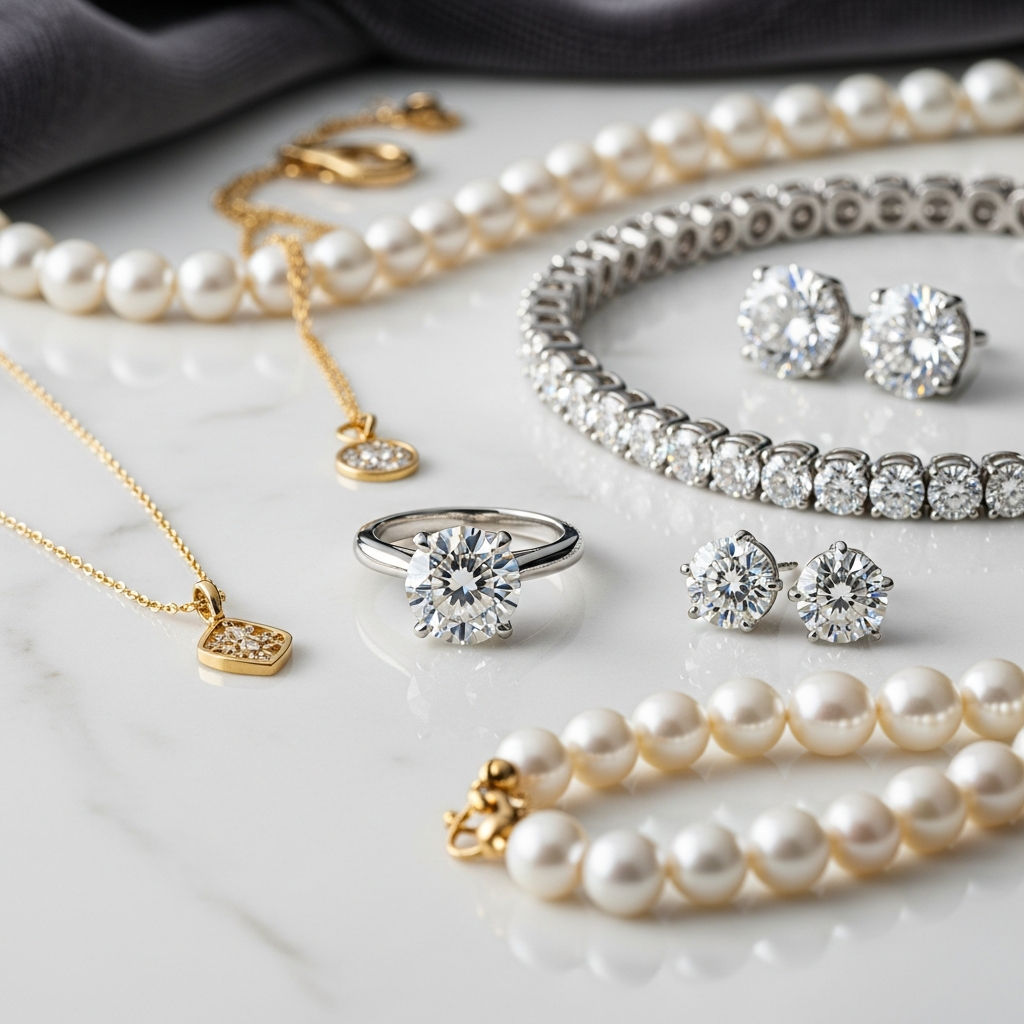
The Timeless Allure of Jewelry: A Comprehensive Guide to Styles, History, and Trends
Jewelry has been an integral part of human civilization for tens of thousands of years. From the simple shell beads of our prehistoric ancestors to the intricate, diamond-encrusted masterpieces seen on modern red carpets, jewelry serves as a powerful medium for self-expression, status, and sentiment. Whether it is a wedding band symbolizing eternal love or a bold statement necklace that defines a fashion look, jewelry transcends mere decoration.
In this comprehensive guide, we will explore the fascinating world of jewelry, covering its rich history, the various types available today, the materials that define quality, and how to choose the perfect piece for any occasion.
A Brief History of Jewelry: From Ancient Talismans to Modern Masterpieces
The story of jewelry is as old as humanity itself. The earliest known pieces of jewelry were made from organic materials like bone, teeth, shells, and stones. These weren’t just for aesthetics; they often served as protective talismans or markers of social rank.
- Ancient Egypt: The Egyptians are credited with some of the most sophisticated early jewelry making. They favored gold for its brilliance and symbolic connection to the sun. Lapis lazuli, turquoise, and carnelian were frequently used to create amulets and collars.
- The Renaissance: This era marked a shift toward jewelry as an art form. Techniques like enameling became popular, and jewelry often depicted religious themes or intricate mythological scenes.
- The Victorian Era: Queen Victoria’s personal tastes heavily influenced jewelry trends. This period saw the rise of “mourning jewelry” (made of jet or hair) and romantic designs featuring hearts and flowers.
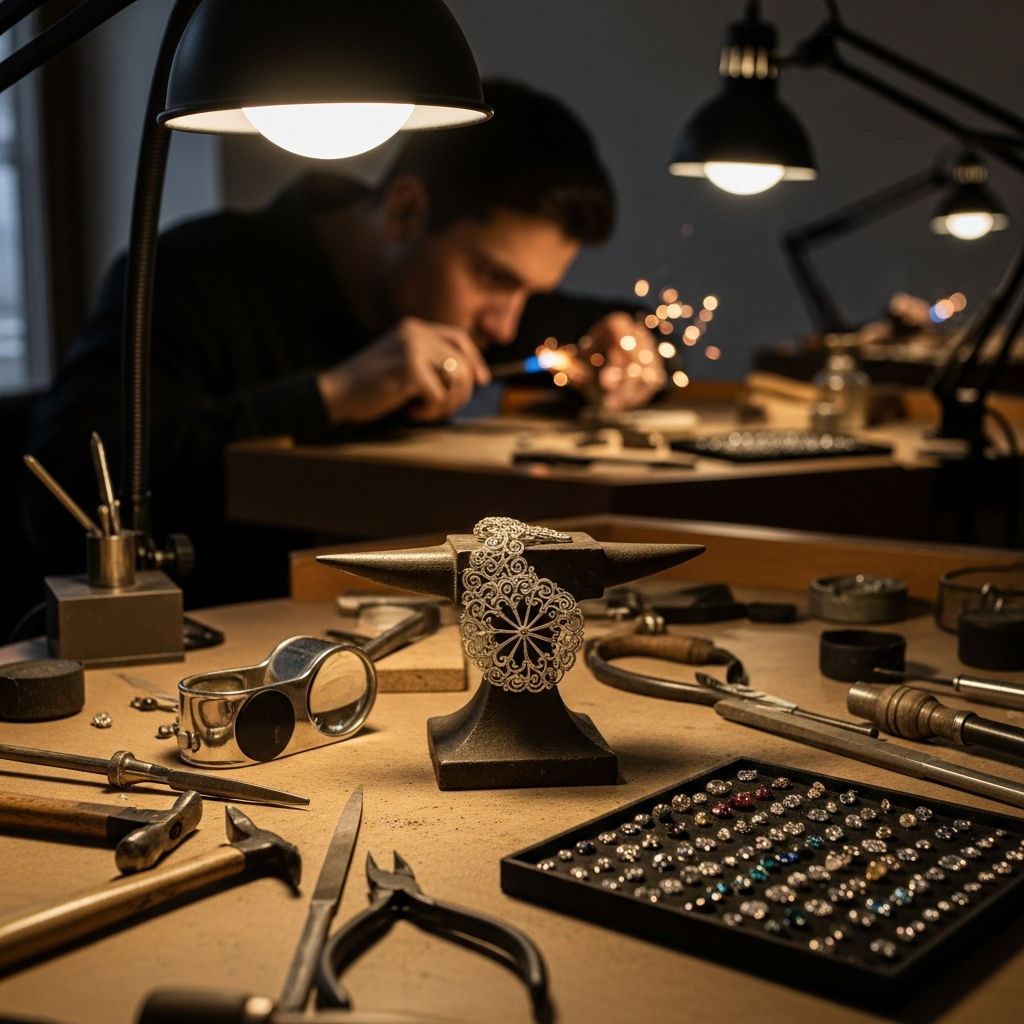
- Modern Era: The 20th century introduced Art Deco’s geometric precision and the mid-century modernism that prioritized bold, sculptural forms. Today, jewelry is a blend of traditional craftsmanship and cutting-edge technology, such as 3D printing and lab-grown gemstones.
Understanding the Different Types of Jewelry
When shopping for jewelry, it is essential to understand the different categories based on materials, price points, and longevity. The market is generally divided into three main sectors:
Fine Jewelry
Fine jewelry is the pinnacle of the craft. It is made from precious metals—such as solid gold (14k, 18k, or 24k), sterling silver, or platinum—and features genuine gemstones like diamonds, rubies, sapphires, and emeralds. Fine jewelry is designed to last a lifetime and often appreciates in value, making it a popular choice for heirlooms and engagement rings.
Demi-Fine Jewelry
Demi-fine jewelry bridges the gap between luxury and affordability. Typically made with gold-plated sterling silver (vermeil) or lower-karat gold, it features semi-precious stones like moonstone, topaz, or quartz. This category is perfect for those who want high-quality aesthetic pieces without the “fine jewelry” price tag.
Fashion (Costume) Jewelry
Fashion jewelry is designed for trends and accessibility. It is usually made from base metals (like brass or copper), plated with a thin layer of gold or silver, and uses synthetic stones or glass. While it is not meant to last for decades, it allows fashion enthusiasts to experiment with bold styles and seasonal trends affordably.
Essential Jewelry Materials and Gemstones
The value and durability of a piece of jewelry depend largely on the materials used in its construction. Understanding these materials helps consumers make informed purchasing decisions.
- Gold: The most popular precious metal. It is measured in karats (k). 24k is pure gold but is often too soft for jewelry, so it is alloyed with other metals. 14k and 18k gold are the industry standards for durability and beauty.
- Sterling Silver: An alloy consisting of 92.5% silver and 7.5% other metals (usually copper). It is prized for its bright white sheen and affordability.
- Platinum: A rare, heavy, and extremely durable white metal. It is hypoallergenic and does not tarnish, making it the premier choice for engagement and wedding rings.
- Diamonds: Known for their hardness and brilliance, diamonds are graded by the “Four Cs”: Cut, Color, Clarity, and Carat Weight.
- Lab-Grown Gemstones: A rising trend in the industry, lab-grown diamonds and emeralds are chemically identical to mined stones but are often more sustainable and cost-effective.
Top Jewelry Trends for 2024 and Beyond
Jewelry trends often reflect broader cultural shifts. Currently, we are seeing a move toward individuality and sustainability. Here are some of the hottest trends in the jewelry world right now:
1. Personalized and Initial Jewelry
From nameplates to initial pendants and zodiac signs, personalized jewelry is more popular than ever. It allows the wearer to tell their unique story and makes for a deeply meaningful gift.
2. Sustainable and Ethical Sourcing
Modern consumers care about where their jewelry comes from. Ethical sourcing, recycled gold, and conflict-free diamonds are no longer “extras”—they are expectations. Brands that prioritize transparency in their supply chain are seeing a massive surge in popularity.
3. Chunky Gold Chains
The “maximalist” look is back. Heavy gold links, oversized chains, and bold “door knocker” earrings are dominating street style and high-fashion runways alike.
4. Colorful Gemstone Stacks
While diamonds are classic, vibrant color is making a comeback. Stacking rings with various colored gemstones or layering necklaces with different hues creates a playful, curated look.
How to Choose the Perfect Jewelry for Any Occasion
Selecting the right jewelry is an art. It should complement your outfit, suit the occasion, and reflect your personality. Here are a few tips to help you choose:
- Consider the Neckline: For V-neck tops, a pendant necklace works best. For crew necks, consider a statement collar or a longer chain. If you are wearing a high-neck dress, skip the necklace and opt for bold earrings instead.
- Balance the Scale: If you are wearing a bold, statement piece of jewelry, keep the rest of your accessories minimal. For example, if you have on large chandelier earrings, you might want to skip the necklace.
- Occasion Matters: For professional settings, stick to classic studs and simple bands. For evening events, don’t be afraid to bring out the sparkle with diamonds or larger gemstones.
- Skin Tone: While you should wear what you love, certain metals flatter different skin tones. Cool skin tones often look best in silver and platinum, while warm skin tones are complemented by yellow and rose gold.
Essential Tips for Jewelry Care and Maintenance
To ensure your jewelry maintains its luster and value, proper care is non-negotiable. Follow these simple steps to keep your collection shining:
1. Proper Storage: Store your jewelry in a fabric-lined box or individual pouches. This prevents pieces from scratching each other—especially important for diamonds, which can easily scratch softer gemstones or metals.
2. Keep it Dry: Remove your jewelry before swimming, showering, or exercising. Chemicals in pool water (like chlorine) and even the salt in sweat can damage delicate metals and stones.
3. Clean Regularly: For most fine jewelry, a gentle solution of warm water and mild dish soap is sufficient. Use a soft-bristled toothbrush to reach crevices. For pearls and porous stones like opals, use only a soft, damp cloth.
4. Professional Inspections: For expensive pieces or engagement rings, visit a professional jeweler once a year. They can check for loose prongs or signs of wear that could lead to the loss of a stone.
Conclusion
Jewelry is much more than a collection of shiny objects; it is a bridge between the past and the present, a symbol of our most cherished relationships, and a tool for self-definition. Whether you are investing in a high-end diamond piece, searching for an ethical lab-grown alternative, or simply picking up a trendy accessory for a night out, understanding the nuances of jewelry ensures you make a choice that brings joy for years to come.
As trends evolve and technology advances, the heart of jewelry remains the same: a beautiful, tangible expression of who we are and what we value. Start building your collection today with pieces that resonate with your personal style and story.