


India leads Kimberley Process talks to strengthen diamond trust
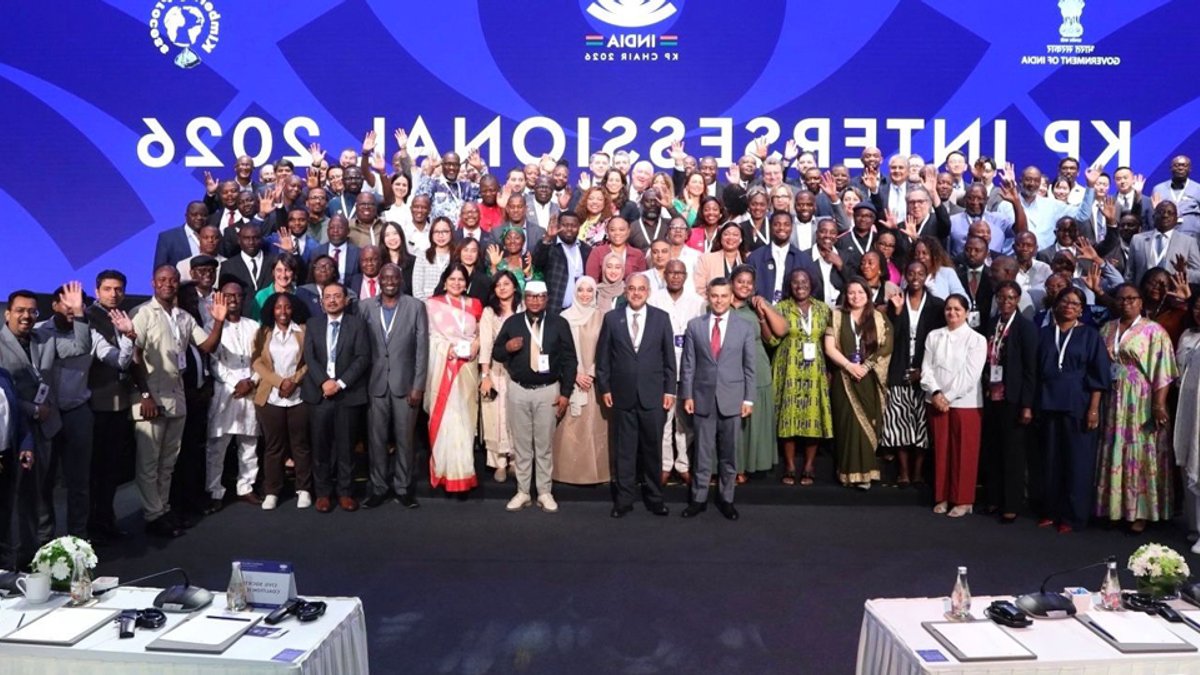
The Kimberley Process (KP) Intersessional Meeting 2026 concluded in Mumbai after four days of discussions under India’s leadership. Government officials, industry leaders, and civil society groups met to shape the future of the natural diamond trade, prioritizing ethical standards and market trust.
India, the global leader in diamond cutting and polishing, reaffirmed the Kimberley Process’ importance in sustaining diamonds as a marker of responsible sourcing. Commerce Minister Piyush Goyal stressed the need to reinforce the 3Cs, credibility, compliance, and consumer confidence, as foundational to the industry. He pointed out that diamonds sustain livelihoods across mining, processing, and retail economies, and India would advocate for a KP that is robust, transparent, and responsive to both industry and consumer expectations.
Working groups addressed key issues, including supply chain monitoring, technical processes, governance, statistics, and artisanal production. The focus remained on strengthening transparency, improving operational mechanisms, and reinforcing trust across the natural diamond value chain. Suchindra Misra, serving as KP Chair for 2026, described the advances as proof of collective dedication to a credible and relevant system. He emphasized that trust remains the foundation of the natural diamond trade and highlighted the importance of reinforcing the Kimberley Process as a pillar of responsible sourcing, transparency, and confidence across the diamond value chain.
India’s leadership highlighted the need for enhanced communication and outreach efforts to better convey the positive impact of the Kimberley Process to end consumers, including responsible sourcing practices, development outcomes, and livelihood support across producing nations and communities.
The Kimberley Process Certification Scheme, established under United Nations General Assembly Resolution 55/56 of 2000, continues as the industry’s primary defense against conflict diamonds. India’s commitment to the objectives of the KP reflects broader shifts toward transparency, sustainability, and responsible practices in the natural diamond sector.
Participants also examined how to strengthen the Kimberley Process framework, including discussions on monitoring and technical processes.
India’s Role in Strengthening the Kimberley Process Framework
The Indian government emphasized that the natural diamond industry supports jobs across mining, cutting, and retail in both producing and consuming countries. India will push for a Kimberley Process that remains robust, transparent, and responsive to industry and consumer demands.
Discussions also stressed the need for better communication to inform end consumers about the KP’s benefits, including ethical sourcing, community development, and support for artisanal miners. This outreach aims to align industry practices with modern buyer priorities.
As a major hub for diamond processing, India reaffirmed its dedication to KP goals, focusing on transparency, sustainability, and responsible practices in the global diamond trade.


