


Gold prices fuel illegal mining and deforestation
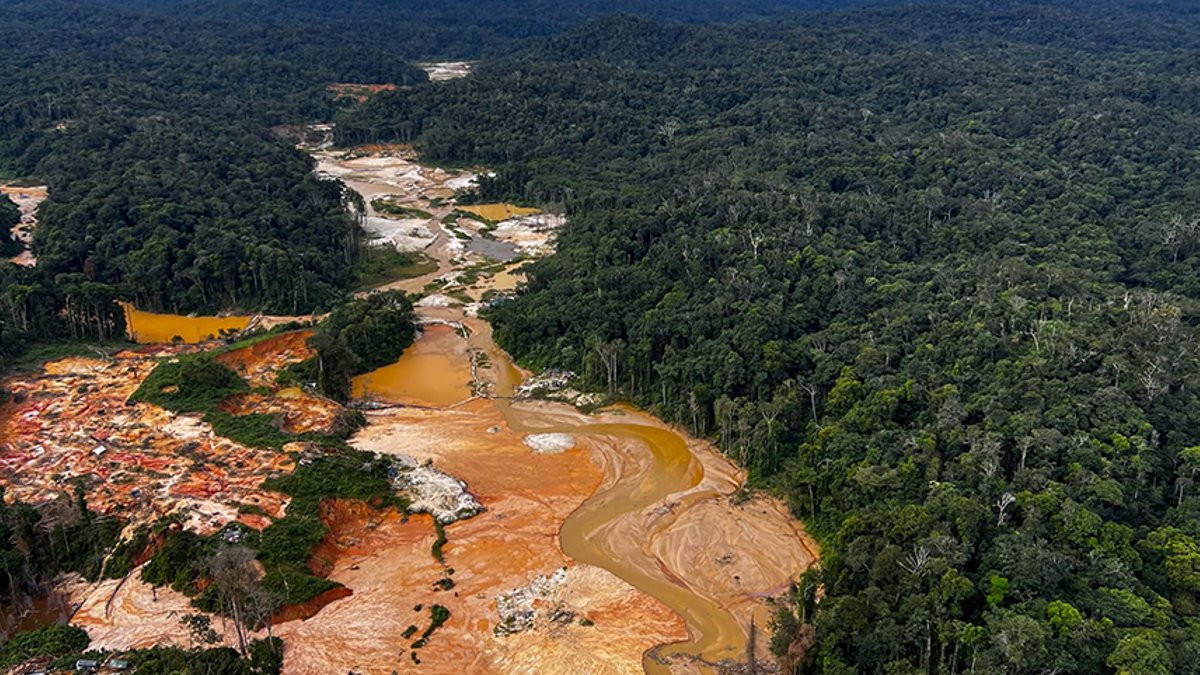
Over the last five years, gold has surged in value by over 120%, a trend largely attributed to global political tensions and trade conflicts. This sharp rise has fueled illegal mining activities, especially in economically fragile areas of South America and Africa, as revealed in a recent investigative analysis.
Advocates for environmental protection highlight how raised prices incentivize mining operations in ecologically delicate zones, including the Amazon Basin and West Africa. Data shows gold extraction was the leading cause of deforestation between 2001 and 2019, impacting both tropical and boreal forests across the planet.
Andrés Santana, Amazon Conservation’s lead expert on combating illegal deforestation, explained that soaring prices make gold extraction in remote, environmentally sensitive locations far more lucrative, intensifying threats to forests and indigenous communities.
Because gold can be repeatedly melted and refined, determining its original source becomes nearly impossible, allowing tainted material to infiltrate legal markets.
Environmental groups report that gold from small-scale operations is sometimes falsely marketed as recycled material. Ghana exemplifies this problem, where illegal mining has destroyed forests, contaminated water sources, and disrupted local farming economies.
The World Gold Council has established its Responsible Gold Mining Principles and launched a Gold Bar Integrity initiative, developed with the London Bullion Market Association (LBMA), that employs blockchain to track gold movement through global trade networks.
This program now covers roughly 90% of commercially mined gold, though it excludes Russian production due to sanctions. However, artisanal and small-scale mining, responsible for up to 20% of global output, remains largely outside these tracing efforts.
Activists insist that stricter traceability must be paired with economic solutions to reduce illegal mining, including improved financing, alternative income sources, vocational training, and greater local benefits.
While the World Gold Council states governments bear primary enforcement responsibility, it emphasizes that industry collaboration and civil society can help create legal pathways for small-scale miners to enter global markets. These efforts form part of a larger push for ethical gold production standards.
Amazon Conservation and allied organizations continue advocating for stronger action against illegal mining and deforestation, stressing the need for coordinated efforts among policymakers, industry leaders, and local populations.
The LBMA is partnering with the World Gold Council to refine tracking methods and curb illegal mining, aiming to build a more transparent and accountable gold supply chain.


