


Dresden Green Diamond Remains Untouched After 2019 Heist
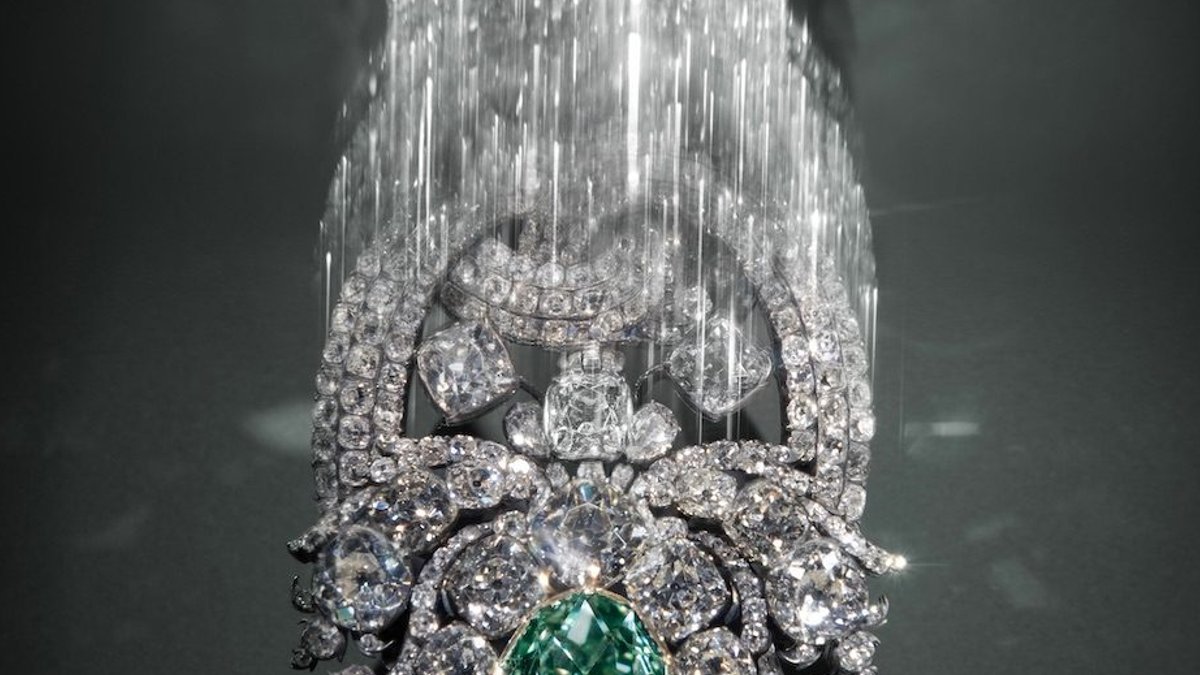
The Dresden Green Diamond, a 41-carat gem housed in Dresden Castle’s Green Vault, has endured wars, royal schemes, and a bold theft—yet its safeguards remain closely guarded. Unlike most museum exhibits, the diamond’s display case offers no visible security details. Photographer Benjamin Bouchet and a journalist gained exclusive access during a private tour, slipping through a side entrance to examine the vault’s lesser-known areas.
Today, the diamond rests in a dedicated chamber on the castle’s second floor, isolated from the historic Green Vault below. Stepping into the room, the ceiling emits a soft green glow, casting light on the stone behind a nearly invisible enclosure. Its vivid apple-green tint does not come from boron impurities but from natural radiation exposure over thousands of years. The diamond’s scarcity equals its storied past: unearthed in India’s Golconda region, it first surfaced in European records in 1722 before Augustus II of Saxony purchased it for 400,000 thalers, roughly double the cost of constructing Dresden’s Church of Our Lady at the time.
Curator Dirk Weber explained how the diamond survived centuries of turmoil, from its removal during the Seven Years’ War to its forced relocation by Soviet forces after World War II, before returning to Dresden in 1958. Its current setting reflects both its immense value and its exposure to risk. Classified as Type IIa, the purest diamond classification, accounting for just 1–2% of all diamonds, it ranks among the rarest gems on Earth. Yet its most remarkable trait may be its location: while thieves struck the Green Vault in 2019, the Dresden Green remained untouched, having been moved to a fortified room upstairs.
Read Also: Botswana marks Diamond Jubilee, spotlighting diamond sector
Weber noted that the heist revealed weaknesses in the original armored glass, which favored visibility over defense. The criminals, surprisingly, stole less valuable items over priceless ones, a miscalculation that exposed their inexperience. The museum now uses replacement glass that provides dramatically higher security while still allowing visitors to see the jewels clearly.
The Green Vault itself stands as a monument to 18th-century extravagance, rebuilt after wartime destruction. Augustus the Strong conceived it not only as a treasury but as a display of royal authority. Weber observed that visitors once paid admission to enter, much as they do today. The contrast between the vault’s dramatic opulence and the diamond’s quiet endurance, its ability to outlast theft, war, and relocation, creates a striking image. The gem’s preservation stems not from chance but from careful planning, even as its exact methods stay concealed.


